
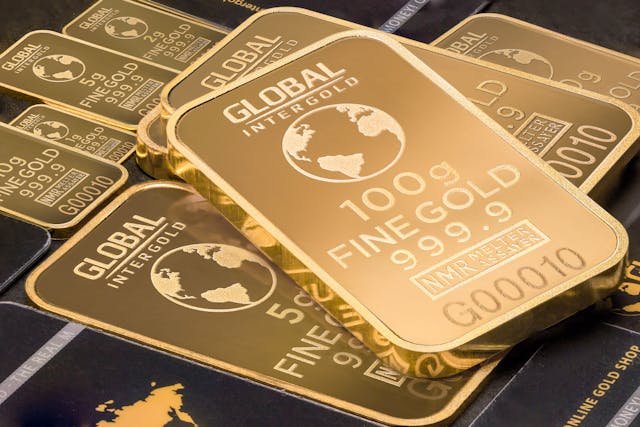
As of January 26, 2026, the global bullion market reached a historic milestone, with gold prices surging past the $5,000 per ounce threshold.
This record high—representing an 80% increase over the last twelve months—serves as a stark indicator of the current global climate. For sophisticated investors and institutional players, the rally is less about speculative momentum and more about a fundamental recalibration of risk in response to a fractured geopolitical landscape.
Geopolitics as the Primary Market Driver
The recent price action was catalyzed by a week of heightened “geopolitical noise” surrounding the World Economic Forum in Davos. While certain immediate tensions eased—notably following the clarification of US military intentions regarding Greenland—the underlying structural risks remain pervasive.
The market is currently pricing in several critical factors:
- Trade Policy Instability: The persistent threat of unilateral tariffs continues to introduce significant “wait-and-see” friction into global supply chains.
- The Empowerment of Middle Powers: Canadian President Carney’s recent call for middle-power nations to challenge US economic dominance suggests a transition toward a multipolar financial system, likely resulting in sustained volatility.
- Erosion of Institutional Trust: Increased scrutiny of central bank independence has led to a noticeable pivot away from fiat-based assets.
Beyond the Safe-Haven Narrative: Strategic Allocation
Industry commentators, including Matt Bance of T. Rowe Price, suggest that gold’s current valuation is a confirmation of a broader macro shift rather than a signal to chase performance.
“We view recent price action… as confirmation that the macro conditions under which gold has historically added value—policy uncertainty, institutional strain, and geopolitical risk—remain in place.”
Key Market Indicators:
- Central Bank Reserves: A significant driver of this rally has been the aggressive diversification of US dollar holdings by central banks seeking to mitigate exposure to US trade policy shifts.
- Precious Metals Complex: The rally is broad-based. The gold-silver ratio has compressed from over 100 in early 2025 to approximately 49 today, indicating high-conviction inflows across the entire sector.
- Scarcity and Momentum: As digital assets like Bitcoin continue to face volatility and regulatory headwinds, gold’s physical scarcity has turned it into one of the most robust momentum trades of the current decade.
Navigating the Path Ahead
While the upward trajectory is compelling, analysts at IG Group note that the market remains vulnerable to short-term corrections given the lack of sustained losses in recent months. However, the fundamental case for gold as a strategic hedge remains stronger than ever.
In an era defined by institutional strain and inflation uncertainty, gold has transitioned from a cyclical asset to an essential component of a resilient, diversified portfolio.