
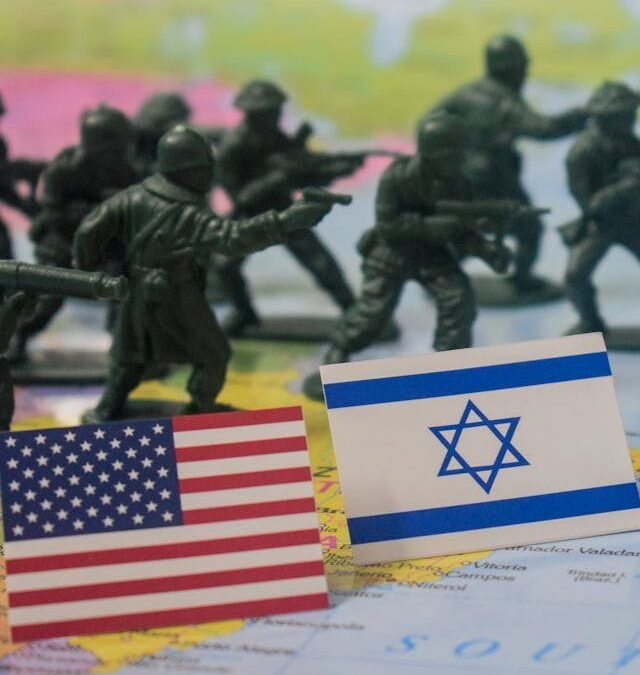
The geopolitical landscape has shifted from “tense” to “volatile” this week as the confrontation between the United States and Iran enters a dangerous new chapter. With the implementation of a U.S. naval blockade in the Strait of Hormuz and reports of advanced Chinese weaponry entering the fray, the global community is bracing for the economic and military fallout.
Here is a breakdown of the three major developments shaping this crisis:
1. The Blockade: Diplomacy Gives Way to Economic Warfare
The U.S. military has officially begun enforcing a naval blockade of the Strait of Hormuz, the world’s most vital energy chokepoint. The goal is clear: to completely sever Iran’s remaining oil exports and force a strategic collapse.
However, the move has immediate global consequences. Tehran has characterized the blockade as “piracy” and has issued veiled threats against other major ports in the Middle East. With oil prices already surging past $100 a barrel, this isn’t just a regional conflict anymore—it’s a global energy shock.
2. The China Factor: Advanced MANPADS Surface
Perhaps the most alarming tactical development is the reported presence of Chinese-made MANPADS (Man-Portable Air-Defense Systems) in the region.
While Beijing has officially called for “unimpeded trade” and a diplomatic solution, the arrival of these advanced missile systems suggests a deeper, more complex layer of Great Power involvement. These systems significantly increase the risk to U.S. and allied air operations, potentially neutralizing the air superiority that Western forces have long relied upon in the Gulf.
3. The “Zugzwang” of Modern Diplomacy
In chess, zugzwang describes a situation where every possible move a player makes will worsen their position. This is the precise dilemma facing global mediators today.
- The U.S. is committed to a blockade that risks a total regional war and global inflation.
- Iran is backed into a corner, where its only leverage is to threaten the very shipping lanes it relies on.
- China must balance its support for Iran with its need for global economic stability.
While mediators from Pakistan and Qatar are working around the clock to resuscitate a fragile ceasefire, the window for a peaceful resolution is closing.
What This Means for the Global Outlook
We are no longer in a period of theoretical risk. The “multipolar” world is being tested in real-time. For businesses, investors, and policymakers, the Hormuz blockade serves as a stark reminder that supply chain resilience and energy security are now inseparable from high-stakes geopolitics.
As the U.S. naval presence grows and Iran prepares its response, the question is no longer if the world will be affected, but how we will navigate the era of the “unimpeded” conflict.